Case Studies
The biggest influencer campaigns we've run. And why they always work better with strategy.
By Stravigo Editorial
•May 14, 2026
A brand once asked us to "just get influencers to post."
No brief. No selection criteria. No thought about what the audience should feel afterward.
We did the job anyway. Because that's what we were paid for.
But here's what we noticed — the campaigns that lasted, the ones brands came back to us for, weren't the ones where we just delivered influencers. They were the ones where someone stopped to ask: What do we need people to believe after they see this?
Not "how many views." Not "what's the CPM."
Belief.
Because influencers don't sell products. They sell attention. And attention only converts if the brand has something worth believing in underneath.
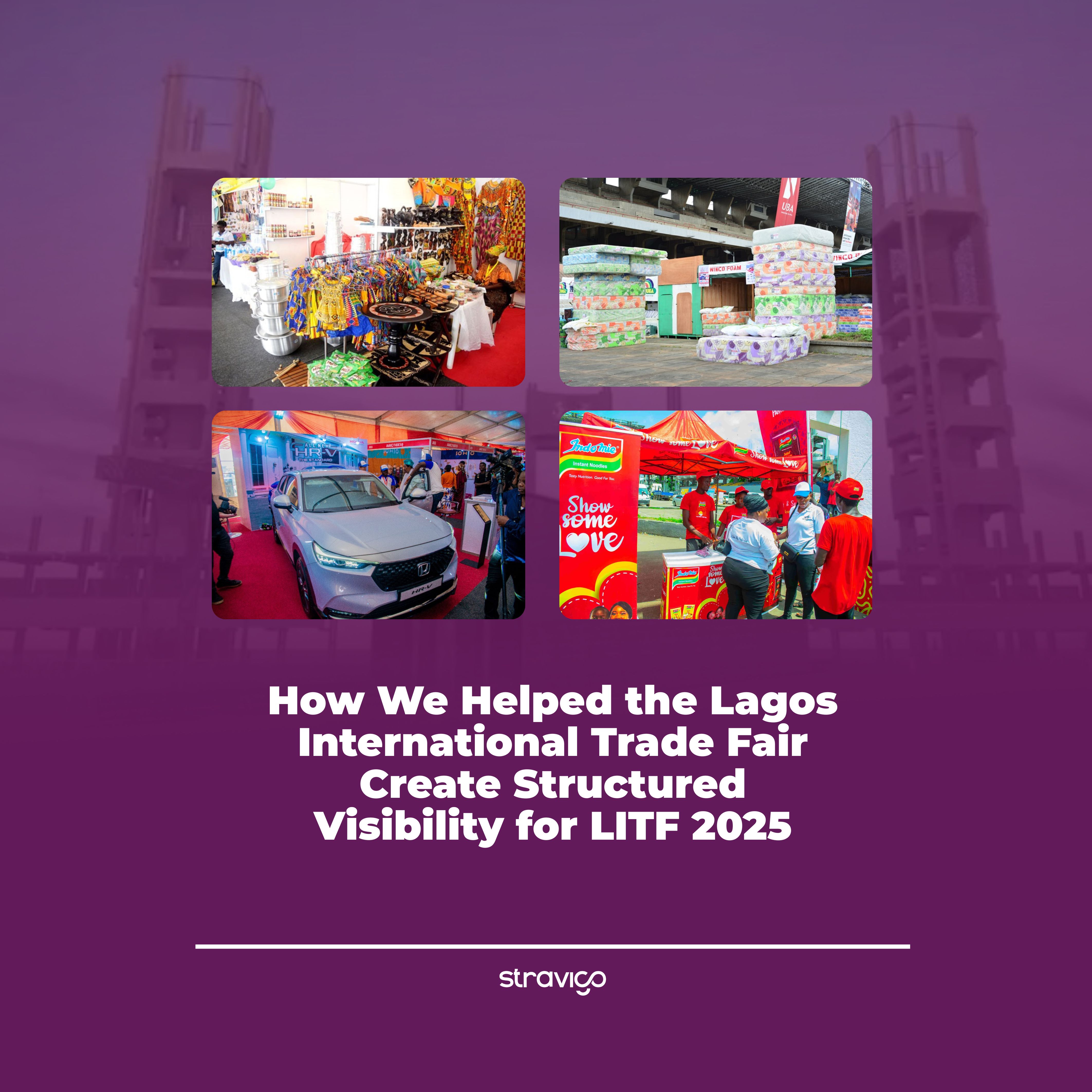
Now look — we've run some of our largest influencer engagements across Rite Foods, Indomie Nigeria, Credit Direct, Nutrify, Lush Hair, and a host of others.
The array of businesses we've worked with tells the real story.
Quick service restaurant brands. Noodle giants. Financial services. Health and nutrition. Hair care.
Different categories. Different audiences. Different problems.
But the same pattern emerged every time, the campaigns that worked best didn't just have influencers. They had a spine.
Rite Foods taught us about scale. Big footprint. Big expectations. The instinct was to chase massive reach. We pushed back. Went after relevance first. The reach followed.
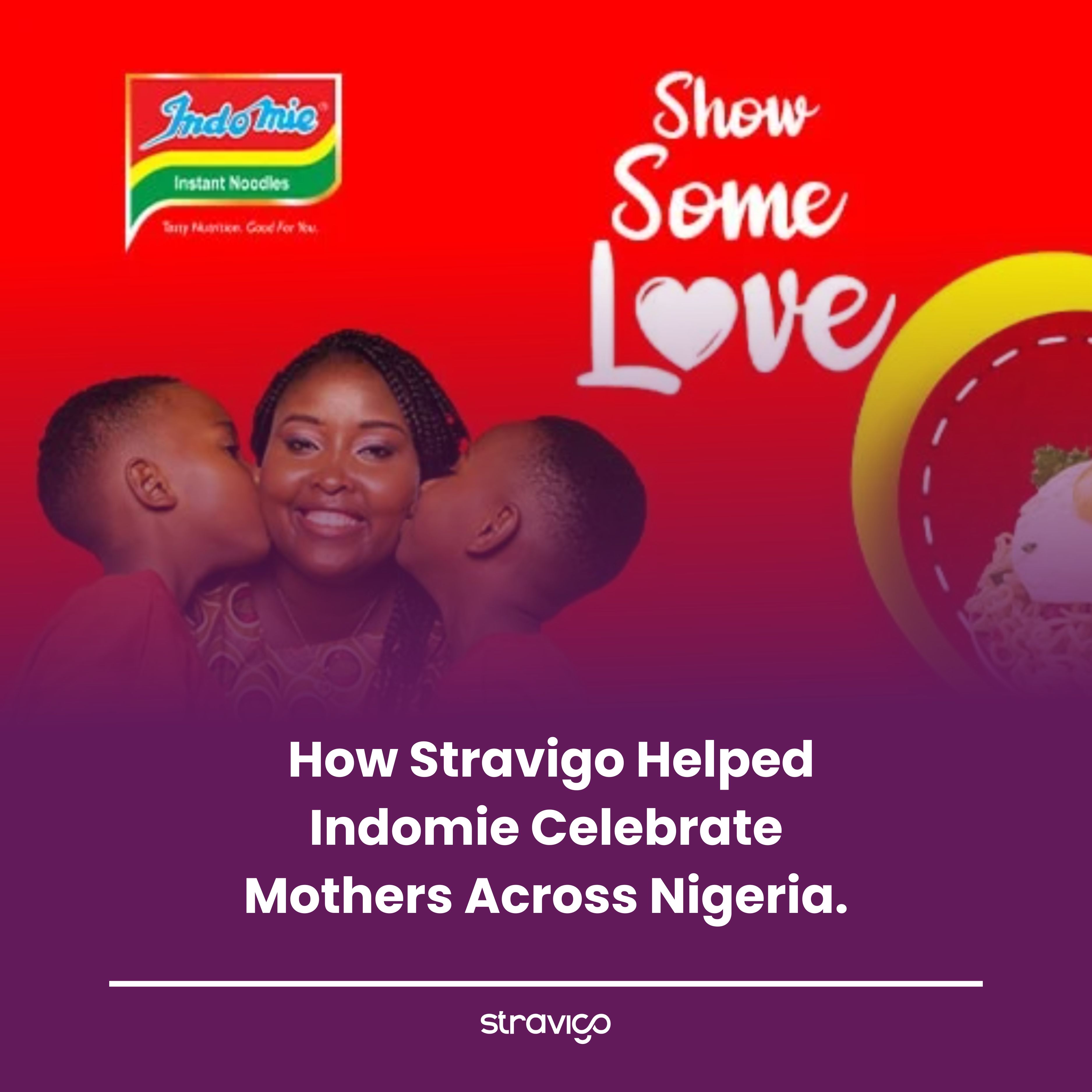
Indomie Nigeria showed us the power of cultural fluency. You can't parachute into a community. You have to earn the right to speak. The influencers who worked best weren't the biggest names. They were the ones who already talked about Indomie like fans — and told a story about motherhood that landed differently.
Credit Direct was different. Financial services don't move like snacks. Trust is slower. Buyer skepticism is higher. We didn't lead with product features. We led with proof. Real people. Real outcomes. Influencers who felt credible, not curated.
Nutrify required precision. The health space is crowded. Every brand says the same thing. We looked for influencers who didn't sound like marketers. People who talked about energy, routine, feeling good — without the script.
Lush Hair reminded us of something uncomfortable. Sometimes the best influencer isn't an influencer. It's a customer who learned to create content. Lush's audience trusted real progress photos more than any produced campaign.
Now here's what nobody tells you about big influencer campaigns.
The logistics are messy. Contracts. Deliverables. Approval rounds. Payment terms. You'll spend weeks herding cats.
But the real work happens before all of that - Strategy. Positioning. The thing that makes an influencer say "I actually like this brand" instead of "should I send my Aza?"
We've done this enough times to know: the biggest campaigns look chaotic from the outside. But inside, there's a spine.
Without that spine? You're just paying for posts.
And honestly? We still don't know if some of our early campaigns had enough spine. We've gotten better. Not perfect. But better.
The brands that come back to us aren't just looking for more influencers. They're looking for more of what worked.
And what worked was always, always strategy first.
Yes, we run straight influencer campaigns. And yes, we add strategy when you want more.
Loading...
Want sharper thinking in your inbox?
Get practical insights on brand strategy, leadership alignment,
and sustaining growth.